





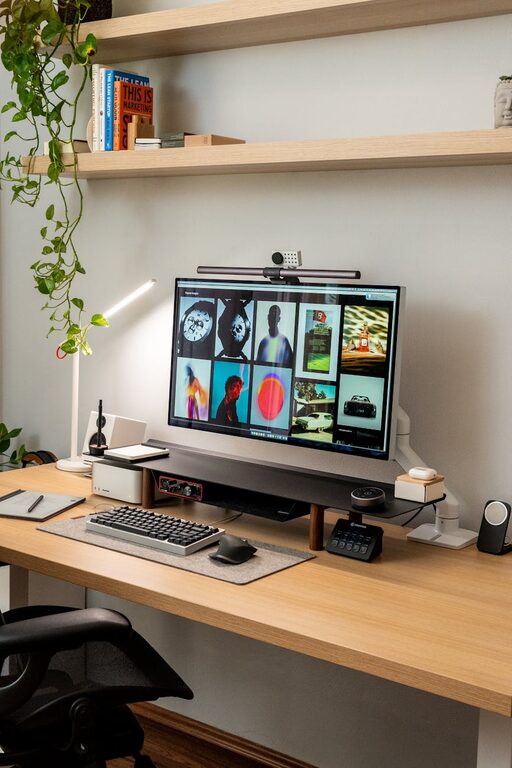
Creating a cosy and productive home office space is essential for anyone working from home. Whether you have a dedicated room or just a small corner, the right environment can boost your focus, creativity, and overall well-being. In this post, we’ll explore practical tips to design a workspace that feels inviting while helping you get the job done.
Choose the Right Location
Prioritise Natural Light
Natural light is one of the best ways to improve productivity and mood. If possible, set up your desk near a window to benefit from daylight. Avoid placing your screen directly in front of or behind the window to reduce glare.
Find a Quiet Spot
Select a space where you are less likely to be disturbed by noise or household activities. If a separate room isn’t available, consider investing in noise-cancelling headphones or using a white noise machine.
Invest in Comfortable Furniture
Ergonomic Chair and Desk
Spending long hours at your desk requires comfortable and supportive furniture. Choose an ergonomic chair that encourages good posture and a desk of suitable height. Adjustable desks that allow you to switch between sitting and standing can be a valuable addition.
Personalised Comfort
Add cushions or a footrest to make your seating more comfortable. Small touches like these reduce strain and increase your ability to focus.
Organise Your Workspace Efficiently
Declutter Regularly
A tidy workspace helps you concentrate and reduces stress. Use storage solutions like shelves, drawers, or organisers to keep paperwork and stationery in order.
Keep Essentials Within Reach
Arrange frequently used items so they’re easily accessible. This saves time and prevents interruptions caused by searching for things.
Cable Management
Messy cables can detract from the look and functionality of your office. Use clips, sleeves, or boxes designed to organise cables neatly.
Add Personal and Cosy Touches
Soft Textiles
Introduce soft textures such as a rug, curtains, or cushions to create warmth. These elements make the room feel more inviting and less clinical.
Plants and Greenery
Indoor plants enhance air quality and add a natural touch to your workspace. Choose low-maintenance plants like succulents or spider plants if you’re new to gardening.
Artwork and Photos
Decorate with artwork or photographs that inspire and motivate you. Avoid overcrowding walls to maintain a calm, uncluttered look.
Optimise Lighting
Layer Your Lighting
Use a combination of ambient, task, and accent lighting. A desk lamp with adjustable brightness is helpful for detailed tasks, while softer lighting can create a relaxed atmosphere during breaks.
Consider Colour Temperature
Cool white light (4000K-5000K) promotes alertness, making it suitable for work hours. Warmer lights (2700K-3000K) are ideal if you want a more relaxed vibe at the start or end of the day.
Manage Technology Wisely
Reliable Internet and Devices
Ensure your internet connection and devices are dependable for uninterrupted work. Keep all software updated to avoid technical issues.
Limit Distractions
Use apps or settings that block non-work-related websites during working hours. Keeping your smartphone out of reach or on silent can help you stay focused.
Create a Routine and Personal Boundaries
Set Work Hours
Define clear start and finish times to separate work from home life. Consistency helps maintain productivity and reduces burnout.
Take Breaks
Short breaks improve concentration and reduce fatigue. Consider techniques like the Pomodoro method (working in 25-minute intervals with 5-minute breaks).
Separate Work and Relaxation Zones
If space allows, designate different areas for work and relaxation. This psychological boundary helps you switch off after work.
Maintain Air Quality and Temperature
Ventilation
Good airflow is important for alertness and comfort. Open windows regularly or use an air purifier if ventilation is limited.
Comfortable Temperature
Keep your workspace at a comfortable temperature. Use fans, heaters, or humidifiers as needed to create a pleasant environment.
—
By following these tips, you can transform any space into a cosy, functional home office that supports your productivity and well-being. Remember, the ideal setup is one that suits your personal preferences and work style, so don’t hesitate to experiment until you find what works best for you. Happy working!




More Stories
How to Create a Cosy Reading Nook in Your Home
Tips for Creating a Productive Home Office Space
Creating a Cosy Reading Nook at Home: Simple Tips to Get Started